

Automatic Hoover UK
Add a review FollowOverview
-
Sectors Automotive
-
Posted Jobs 0
-
Viewed 5
Company Description
Guide To Automatic Hoovers: The Intermediate Guide On Automatic Hoovers
The Rise of the Robots: A Comprehensive Look at Automatic Hoovers
In today’s hectic world, convenience reigns supreme. From instantaneous coffee to smart homes, innovation is constantly progressing to streamline our lives and maximize our precious time. One such innovation that has actually gained significant traction recently is the automatic hoover, more officially referred to as a robot vacuum. These smart little makers are no longer a futuristic fantasy however a useful reality for millions, providing a hands-free method to keeping clean floorings.
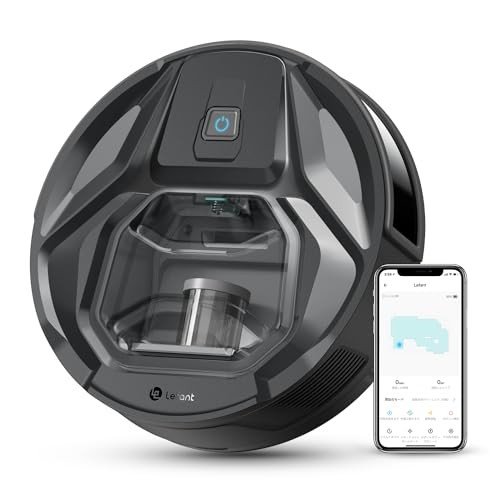
However beyond the preliminary allure of technological novelty, what are automatic hoovers genuinely about? How do they work, what are their advantages, and are they the best cleaning option for every home? This article dives deep into the world of automatic hoovers, exploring their performances, varieties, benefits, and everything you require to understand before welcoming one into your home.
Exploring the Mechanics of Automatic Cleaning
At their core, automatic hoovers are designed to navigate your home autonomously and tidy floorings without direct human control. They achieve this through a mix of advanced technologies, including sensing units, navigation systems, and cleaning mechanisms.
Most automatic hoovers run on rechargeable batteries and feature a charging dock. When their battery is low, or after finishing a cleaning cycle, they automatically return to their dock to recharge. The cleaning procedure itself typically includes:
-
Navigation: This is arguably the most crucial element. Automatic hoovers employ numerous navigation approaches to map and traverse your living area. Early designs frequently used bump-and-go navigation, randomly bouncing around until they covered a location. However, modern designs use more innovative systems like:
- SLAM (Simultaneous Localization and Mapping): This technology enables the robot to construct a map of its surroundings in real-time while at the same time identifying its place within that map.
- LiDAR (Light Detection and Ranging): LiDAR utilizes laser beams to measure ranges and develop extremely precise maps, making it possible for effective and methodical cleaning patterns.
- VSLAM (Visual Simultaneous Localization and Mapping): Similar to SLAM but relies on video cameras rather of lasers to view and map the environment.
- Gyroscope and Odometry: Some models combine gyroscopes and wheel sensors (odometry) to track movement and instructions, enhancing navigation.
-
Sensing units: A variety of sensors are incorporated to assist the robot hoover interact safely and successfully with its environment. These commonly consist of:
- Cliff sensing units: Prevent the robot from falling down stairs or ledges.
- Barrier sensors: Detect barriers like furnishings, walls, and pet bowls, enabling the robot to browse around them.
- Wall sensors: Enable the robot to follow walls and edges for comprehensive edge cleaning.
- Dirt detection sensors: In some advanced models, these sensing units can discover locations with higher concentrations of dirt and particles, triggering more focused cleaning.
-
Cleaning Mechanisms: Automatic hoovers typically use a combination of:
- Rotating brushes: These brushes sweep dirt and debris from the floor towards the suction inlet. They often are available in different styles for numerous floor types.
- Side brushes: Extend the cleaning reach to edges and corners.
- Suction: Generates air flow to raise dirt and dust into the dustbin. Suction power varies in between models.
- Mopping pads: Some hybrid models incorporate mopping functionality, utilizing moist pads to gently mop hard floorings after or during vacuuming.
Kinds Of Automatic Hoovers: From Basic to Feature-Rich
The market for automatic hoovers varies, catering to a wide variety of needs and spending plans. They can be broadly classified based upon their features and functionalities:
-
Basic Models: These are normally entry-level robotics concentrating on essential cleaning. They frequently utilize bump-and-go navigation or simpler gyroscope-based navigation. They are typically more budget friendly but may do not have advanced functions like mapping, app control, or strong suction.
-
Mid-Range Models: Offering a balance between cost and features, these designs frequently integrate smart navigation (SLAM, LiDAR, or VSLAM), app connectivity, and scheduling abilities. They usually provide more efficient cleaning patterns and better challenge avoidance than standard models.
-
High-End Models: These are the exceptional offerings, packed with advanced innovations and functions. They typically boast exceptional navigation, mapping abilities, multi-floor mapping (remembering maps for various levels of your home), customizable cleaning zones, “no-go” zones (areas you wish to prevent cleaning), self-emptying dustbins, and integration with smart home communities.
-
Hybrid Vacuum-Mop Models: These flexible robotics combine vacuuming and mopping functionalities in one device. They can vacuum up dry particles and then mop difficult floorings with a damp pad, providing a two-in-one cleaning service.
-
Specialized Models: Certain automatic hoovers are designed with particular needs in mind, such as designs optimized for pet hair elimination with effective suction and tangle-free brushes, or models developed for homes with carpets, featuring carpet increase innovation to increase suction power on carpeted surfaces.
The Benefits of Embracing Automatic Cleaning
The appeal of automatic hoovers stems from the various benefits they use:
- Convenience and Time-Saving: The most considerable advantage is certainly the hands-free cleaning experience. You can set them to clean while you are at work, running errands, or simply relaxing, releasing up important time.
- Constant Cleaning: Automatic hoovers can be scheduled to clean regularly, guaranteeing constant floor tidiness and reducing the buildup of dust and allergens.
- Ease of access: For senior people or those with movement problems, automatic hoovers can provide an important aid in maintaining a tidy home without physical strain.
- Pet Hair Management: Automatic hoovers, particularly models designed for pet owners, work at capturing pet hair, dander, and allergens, adding to a healthier home environment.
- Improved Air Quality: By regularly getting rid of dust and allergens, automatic hoovers can contribute to better indoor air quality, especially useful for people with allergies or breathing sensitivities.
- Reaching Under Furniture: Their low profile allows them to clean under beds, couches, and other furniture where standard vacuums typically struggle to reach.
Picking the Right Automatic Hoover for Your Home
Choosing the perfect automatic hoover depends upon individual needs and home qualities. Think about these aspects when making your option:
- Floor Types: Determine the main floor key ins your home (wood, carpet, tile, etc). Some models are better matched for particular floor types. Inspect if the design is developed for carpets if you have substantial carpeted locations.
- Home Size and Layout: Larger homes might gain from designs with longer battery life and advanced mapping capabilities for efficient cleaning. Complex layouts with numerous rooms and challenges may require robots with superior navigation.
- Budget: Automatic hoovers differ significantly in price. Establish a spending plan and explore models within your rate range that use the functions you need.
- Features: Prioritize functions based on your requirements. Think about:
- Navigation System: SLAM, LiDAR, VSLAM for efficient and systematic cleaning.
- App Control and Smart Features: Scheduling, zone cleaning, no-go zones, smart home combination.
- Suction Power: Higher suction for pet hair and carpets.
- Battery Life: Longer run time for larger homes.
- Self-Emptying Dustbin: For included benefit and less frequent maintenance.
- Mopping Functionality: If you wish to mop hard floorings also.
- Noise Level: Consider models with lower noise levels if noise sensitivity is a concern.
Preserving Your Automatic Hoover
To guarantee optimal performance and durability, routine upkeep is important:
- Empty the Dustbin Regularly: Frequent clearing avoids the dustbin from overfilling and keeps suction effectiveness. Self-emptying models decrease this task substantially.
- Tidy Brushes and Filters: Hair and particles can collect on brushes and filters, reducing cleaning efficiency. Clean them routinely according to the producer’s guidelines.
- Inspect Sensors: Ensure sensors are clean and totally free from dust or blockages for correct navigation.
- Replace Parts as Needed: Brushes and filters will ultimately require replacement. Follow the manufacturer’s recommendations for replacement intervals.
- Battery Care: While typically long-lasting, batteries have a life expectancy. Follow charging instructions and avoid leaving the robot continuously on the battery charger once totally credited take full advantage of battery health.
The Future is Autonomous Cleaning
Automatic hoover technology is continually progressing. We can anticipate to see more advancements in:
- Improved AI and Navigation: Robots will become even smarter at browsing complex environments, preventing barriers, and learning cleaning choices.
- Enhanced Mapping and Customization: More comprehensive and accurate mapping, allowing for extremely individualized cleaning regimens and zone control.
- Greater Integration with Smart Home Ecosystems: Seamless combination with voice assistants and other smart home gadgets for improved control and automation.
- More Versatile Cleaning Capabilities: Potentially integrating advanced cleaning functions beyond simply vacuuming and mopping.
Conclusion: Embracing the Helping Hand of Automation
Automatic hoovers represent a significant action forward in home cleaning technology, providing convenience, effectiveness, and consistent cleanliness. While not a complete replacement for conventional deep cleaning in all circumstances, they are invaluable tools for keeping daily floor tidiness, maximizing time, and boosting the general comfort of your home. By understanding their functionalities, types, and functions, you can make a notified choice and select the automatic hoover that best matches your special requirements and way of life, accepting the future of automated cleaning.
Regularly Asked Questions (FAQs) about Automatic Hoovers
Q1: Are automatic hoovers as powerful as conventional vacuum cleaners?A: While suction power has significantly improved in recent designs, a lot of automatic hoovers might not match the deep cleaning power of a high-end traditional upright or canister vacuum, specifically for heavily soiled locations or thick carpets. Nevertheless, for everyday cleaning and upkeep, they are usually really reliable.
Q2: Can automatic hoovers clean up all types of floorings?A: Many automatic hoovers are created to work well on numerous floor types, including wood, tile, laminate, and low-pile carpets. Nevertheless, some models are much better suited for particular floor types. Check item requirements to guarantee compatibility with your flooring.
Q3: How long do automatic hoover batteries last?A: Battery life varies depending on the model and cleaning mode. Most designs offer between 60 to 120 minutes of run time on a single charge. Higher-end designs might provide even longer battery life.
Q4: Are automatic hoovers noisy?A: Noise levels differ among designs. Generally, they are quieter than conventional vacuum cleaners, but some noise is still generated. Think about models with lower decibel rankings if noise sensitivity is an issue.
Q5: Do automatic hoovers need a lot of maintenance?A: Routine maintenance is essential, consisting of clearing the dustbin, cleaning brushes and filters, and sometimes inspecting sensors. Self-emptying designs decrease the frequency of dustbin emptying.
Q6: Can automatic hoovers manage pet hair effectively?A: Yes, many automatic hoovers are particularly designed for pet owners and are extremely efficient at choosing up pet hair. Try to find designs with functions like tangle-free brushes and strong suction, frequently marketed as “pet hair” designs.
Q7: What takes place if an automatic hoover gets stuck?A: Modern automatic hoovers are equipped with obstacle sensors and navigation systems to lessen getting stuck. However, they may occasionally get stuck on cords, loose rugs, or in tight spaces. Most designs will stop and signify if they are stuck, frequently via an app notice.
Q8: Can I control an automatic hoover remotely?A: Many mid-range and high-end models come with smart device app connectivity, allowing for push-button control, scheduling, monitoring cleaning status, and accessing functions like zone cleaning and no-go zones.
Q9: Are automatic hoovers worth the investment?A: Whether they are “worth it” depends upon individual requirements and priorities. If convenience, time-saving, and consistent cleaning are crucial to you, an automatic hoover can be an important financial investment. Consider your lifestyle, budget plan, and cleaning needs to make an informed decision.
Q10: Can automatic hoovers clean in the dark?A: Yes, many automatic hoovers can clean in low light conditions or even darkness. They count on their sensing units and navigation systems, which are usually not depending on ambient light for standard operation. Designs with visual navigation might perform optimally in sufficient lighting, but are usually created to function in typical home lighting conditions.
