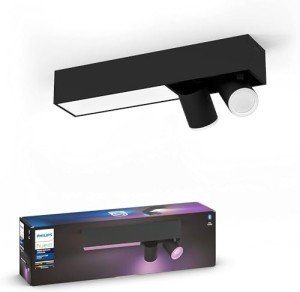

Buy Hallway Lighting UK
Add a review FollowOverview
-
Sectors Sales
-
Posted Jobs 0
-
Viewed 81
Company Description
The 10 Most Terrifying Things About Interior Lighting UK
Interior Lighting in the UK: A Comprehensive Guide
Interior lighting plays a vital function in creating an atmosphere, enhancing performance, and expressing individual style within homes and companies. In the UK, where the weather condition can be unforeseeable, efficient lighting is not only about looks but likewise about making areas feel warm, welcoming, and useful. This short article digs into various elements of interior lighting, encompassing types, trends, ideas, and often asked questions.
Understanding the Importance of Interior Lighting
Lighting is frequently considered the backbone of interior design. It affects state of mind, functionality, and the perceived size of areas. The right lighting can:
- Enhance the architectural features of a room.
- Emphasize artwork and decoration.
- Enhance security and security.
- Influence productivity in workspaces.
- Develop a comfortable atmosphere for relaxation.
Types of Interior Lighting
Efficient lighting style normally integrates three main kinds of lighting: ambient, job, and accent.
1. Ambient Lighting
This is the primary source of light in a room, providing overall illumination. Typical sources include:
- Ceiling-mounted fixtures
- Chandeliers
- Recessed lighting
- Soft wall sconces
Ambient lighting develops a foundation from which other lighting types can build on.
2. Task Lighting
Job lighting concentrates on particular locations to assist in activities such as reading, cooking, or working. This kind of lighting assists to reduce eye pressure and can considerably affect functionality. Common sources consist of:
- Desk lamps
- Under-cabinet lights in kitchen areas
- Reading lamps beside beds
- Track lighting targeted at work surface areas
3. Accent Lighting
Accent lighting adds drama and highlights particular things or locations, such as artwork or architectural functions. This type of lighting can produce visual interest and depth in an area. Sources consist of:
- Picture lights
- Decorative lamps
- Uplighters
- LED strip lights along shelves
Using a combination of these lighting types can lead to a well-balanced and multifunctional area.
Popular Lighting Trends in the UK
The interior lighting landscape in the UK continues to progress, influenced by style trends, innovation, and customer preferences. Here are some popular patterns to enjoy:
-
Smart Lighting: The advent of smart technology has actually transformed how people handle lighting in their homes. Smart bulbs and systems like Philips Hue allow users to manage brightness and color temperature level via their mobile phones.
-
Minimalist Designs: Sleek, simple styles that mix flawlessly with interiors are dominating the market. Pendant lights with fragile frames, LED strips, and geometric shapes are especially fashionable.
-
Industrial Lighting: This pattern showcases raw, discovered materials. Metal fixtures and Edison bulbs offer a vintage touch that is both trendy and practical.
-
Eco-Friendly Options: With increasing awareness of sustainability, numerous customers are turning to energy-efficient LED choices and fixtures made from sustainable materials.
Tips for Effective Interior Lighting Design
Designing a reliable lighting strategy requires thoughtful consideration of different elements. Here are some pointers:
-
Consider the Purpose of Each Room: Every area has a different function. Consider what activities will happen and what type of lighting will support those activities.
-
Layer Lighting: Employ numerous types of lighting within a room to create depth and flexibility. Combine ambient, task, and accent lighting to enhance both aesthetics and functionality.
-
Usage Dimmers: Dimmers permit control over brightness levels, making it possible for users to adjust lighting according to mood and time of day.
-
Include Natural Light: Make the many of natural lights like windows. Use light, reflective colors for walls and furnishings to optimize brightness.
-
Believe About Color Temperature: Different color temperature levels (determined in Kelvins) create different atmospheres. Warmer temperatures (around 2700K-3000K) are cozy, while cooler temperatures (4000K+) provide a more scientific or energetic feel.
Interior Lighting Mistakes to Avoid
To create a well-lit space, it’s important to prevent common lighting mistakes. Here are some errors to look for:
-
Underestimating Wattage: Insufficient wattage can lead to dim, unwelcoming spaces.
-
Ignoring Scale: Fixtures that are too little for a room can watch out of place, while extra-large fixtures can overwhelm a space.
-
Over-reliance on Ceiling Lights: Relying exclusively on overhead lighting can create uninviting shadows; balance with extra lighting types.
-
Poor Placement: Misplaced lights can develop locations that are too brilliant or too dark. Strategy positionings attentively.
FAQ Section
1. What is the difference between warm white and cool white light?
Warm white light (2700K to 3000K) develops a cozy, welcoming environment, perfect for living rooms and bed rooms, while cool white light (4000K to 5000K) is more fit for work spaces as it enhances concentration and clarity.
2. How can I maximize natural light in my home?
To optimize natural light, use light-colored walls, strategically location mirrors to reflect light, and select sheer window coverings that permit sunlight to pass through.
3. How do I pick the ideal light?
Think about the size of your space, the design of your decor, and the function of the area. Make sure the scale of fixtures matches the room and matches the overall aesthetic.
4. Are LED lights much better than traditional bulbs?
Yes, LED lights are more energy-efficient, have a longer life-span, and can supply a range of color temperature levels, making them a more sustainable lighting choice.
5. What should I do if certain areas of my room stay too dark?
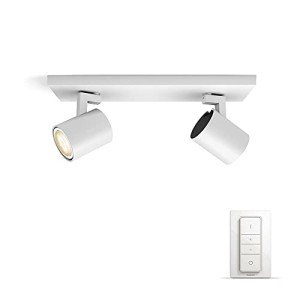
Think about adding additional task or accent lighting to lighten up those areas. Floor lamps, wall sconces, and even strategically placed table lamps can help minimize dark spots.
Interior lighting is an important element of home and service design across the UK. Comprehending the different types, existing trends, and best practices can assist home owners in creating spaces that are not just trendy but also practical. With thoughtful consideration and preparation, effective lighting can transform any environment, boosting both atmosphere and use for several years to come.